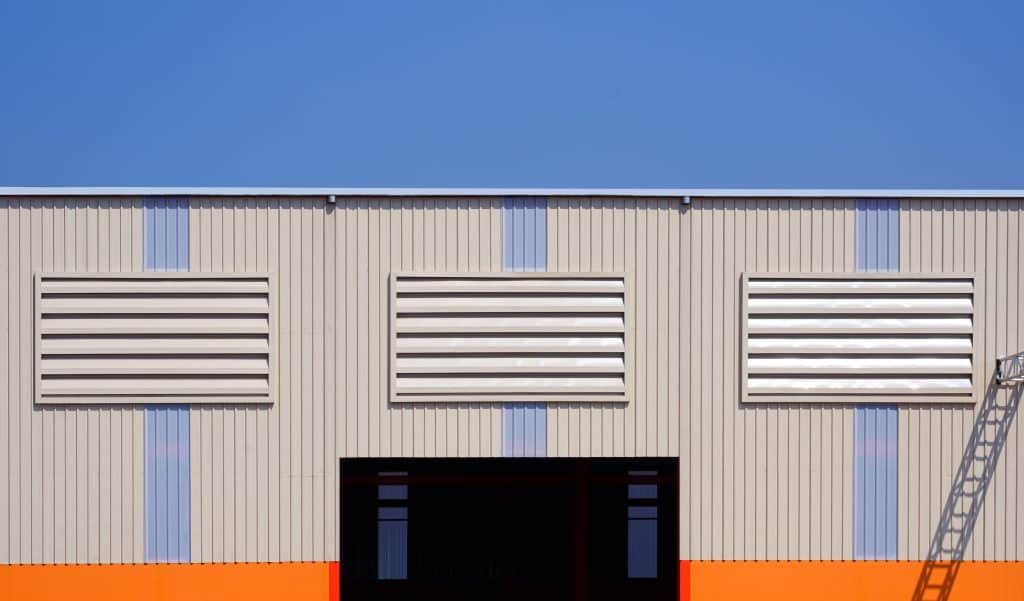
When a business invests in a new building, the decision has to make sense for both today’s operations and tomorrow’s growth. The structure needs to be durable, functional, cost-effective, and flexible enough to support the way the business actually works. That is one reason steel buildings have become a smart choice for many commercial, agricultural, industrial, and storage needs.
Unlike a traditional building project that may come with more limitations, steel buildings can be designed around open space, equipment access, workflow, storage, and future expansion. For businesses that need a practical structure built for long-term use, steel offers strength, versatility, and value. With the right construction team, a steel building can become more than just extra space. It can become a reliable part of how the business operates.
Why Do Businesses Choose Steel Buildings?
Businesses choose steel buildings because they offer a strong balance of durability, function, and long-term value. When a company is investing in a new structure, the building needs to support daily operations without creating unnecessary maintenance, layout limitations, or future expansion challenges. Steel gives business owners a practical way to create usable space that can be built around their specific needs.
One of the biggest advantages of steel buildings is their flexibility. A business may need wide-open space for equipment, inventory, vehicles, production, or storage. Others may need a combination of office areas, service bays, loading zones, or customer-facing space. Steel construction makes it easier to design a structure that fits the purpose of the business rather than forcing the business to work around the building.
Steel buildings are also valued because they are built for long-term performance. For commercial, agricultural, and industrial spaces, durability matters. The structure may need to handle heavy use, changing weather, large equipment, or frequent traffic. When properly designed and constructed, a steel building can provide dependable space that helps the business operate efficiently for years.
Are Steel Buildings Cost-Effective for Commercial Projects?
Steel buildings can be a cost-effective option for businesses because they are designed with efficiency in mind. Many steel building projects use pre-engineered or prefabricated components, which can help streamline the construction process once the site is ready. This can reduce unnecessary delays, limit material waste, and make the overall build more predictable compared to some traditional construction methods.
Cost also matters after the building is complete. Business owners are not only paying for the structure itself. They are also thinking about maintenance, repairs, energy use, and how well the space will serve them over time. Steel buildings are known for their strength and durability, which can help reduce the need for frequent structural repairs when the building is properly planned, installed, and maintained.
The final cost of a steel building depends on several factors. These include the building size, site conditions, insulation, interior finishes, doors, windows, and utility needs. The way the business uses the space will also affect the cost. For many businesses, the value comes from getting a dependable building. It can be customized for their operations without making the construction process too complicated.
How Durable Are Steel Buildings?
Durability is one of the main reasons businesses consider steel buildings for commercial, agricultural, and industrial use. A business building often has to handle more than simple day-to-day occupancy. It may need to support equipment storage, vehicle traffic, inventory, production work, changing weather, and frequent use by employees, customers, or vendors. Steel gives the structure the strength needed for those demands.
Steel buildings are also a smart option for businesses that want a structure with long-term performance. Unlike some materials that may be more vulnerable to rot, warping, or certain types of deterioration, steel is designed to provide lasting structural support when properly engineered and installed. That can be especially valuable for businesses that need reliable space without constant concern over major structural wear.
A durable building can also help protect what is inside. Whether the space is used for machinery, supplies, vehicles, products, tools, or daily operations, the building itself plays an important role in keeping the business running smoothly. With the right design, materials, and
Can Steel Buildings Be Customized for Different Business Needs?
Steel buildings are often thought of as simple warehouses or storage structures, but they can be designed for much more than basic open space. For businesses, customization is one of the biggest advantages. A steel building can be planned around the way the company works, the equipment it uses, the materials it stores, and the people who move through the space each day.
Depending on the business, customization options may include:
- Wide-open layouts for machinery, vehicles, inventory, or production space
- Divided interior areas for offices, restrooms, workshops, or storage
- Large overhead doors for equipment, deliveries, or vehicle access
- High ceilings for lifts, stacked storage, or specialized machinery
- Insulation and ventilation for comfort, efficiency, and air movement
- Loading areas or access points for shipping and receiving
- Specialty flooring based on the type of work being done inside
- Customer-facing areas, employee spaces, or secure storage zones
This flexibility makes steel a practical choice for many industries. A contractor, manufacturer, farm, warehouse operation, or growing commercial business may all need different things from a building. Instead of choosing a one-size-fits-all structure, businesses can work with an experienced construction team to create a steel building that fits their current needs while leaving room for future growth.
What Types of Businesses Can Benefit?
One of the reasons steel buildings are such a smart choice is that they can serve many different types of businesses. They are not limited to one industry or one purpose. Because they can be designed with open layouts, custom dimensions, and specific access points, steel buildings can be adapted for both simple and complex business needs.
Common uses for steel buildings include:
- Warehouses and distribution centers
- Agricultural buildings and equipment storage
- Manufacturing and production spaces
- Auto shops, service bays, and repair facilities
- Contractor shops and trade business facilities
- Commercial storage buildings
- Retail or mixed-use business spaces
- Industrial buildings
- Workshops and specialty workspaces
For some businesses, the main goal is storage. For others, the building may need to support employees, customers, vehicles, tools, materials, or daily production. A steel building gives business owners the ability to create a space that matches how their operation functions instead of settling for a layout that does not fully support their needs.
Do Steel Buildings Help Businesses Plan for Growth?
A building should not only solve a business’s current space problem. It should also support where the business is headed. That is another reason steel buildings can be a smart investment. Their flexible design makes it easier for business owners to think ahead, whether they need more storage, additional work areas, larger equipment access, or room for future expansion.
For many companies, growth creates new space challenges. Inventory increases, equipment changes, vehicles need covered storage, or employees need more room to work efficiently. A steel building can be designed with these possibilities in mind from the beginning, helping the business avoid outgrowing the structure too quickly.
Steel buildings can also work well for businesses that need open-span space. Fewer interior obstructions can make it easier to organize the layout, move equipment, adjust workflows, or reconfigure the building as needs change. Instead of building only for the present, business owners can use a steel structure to create practical space that remains useful as the company continues to grow.
Why Does the Contractor Matter When Building with Steel?
Steel buildings offer many advantages, but the success of the project still depends on the team behind the build. A steel structure needs proper planning, accurate measurements, strong site preparation, and a clear understanding of how the finished building will be used. Without the right contractor, even a durable material can lead to problems if the design, layout, or construction process is not handled correctly.
The contractor also plays an important role in helping business owners make practical decisions before construction begins. For example, the building may need to account for vehicle access, equipment height, storage needs, office space, overhead doors, insulation, utilities, drainage, or future expansion. These details can affect how well the building supports daily operations after the project is complete.
Working with an experienced construction team helps businesses avoid costly mistakes and delays. A skilled contractor can help coordinate the process and solve issues early. They can also make sure the final structure fits the business’s goals. For companies investing in steel buildings, the right builder matters. It can be the difference between a basic structure and a building built for long-term success.
Are Steel Buildings a Smart Investment for Your Business?
Steel buildings are a smart choice for businesses that need strength, flexibility, and long-term value from their space. Whether the building will be used for storage, equipment, production, agriculture, commercial operations, or future expansion, steel gives business owners a practical structure that can be designed around real operational needs.
The key is working with a construction team that understands how to turn those needs into a dependable finished building. From layout and site planning to customization and long-term usability, the right contractor can help ensure the project supports the business now and as it grows. For companies considering steel buildings, W&B Prime Construction can help create a durable, functional space built with the future in mind.