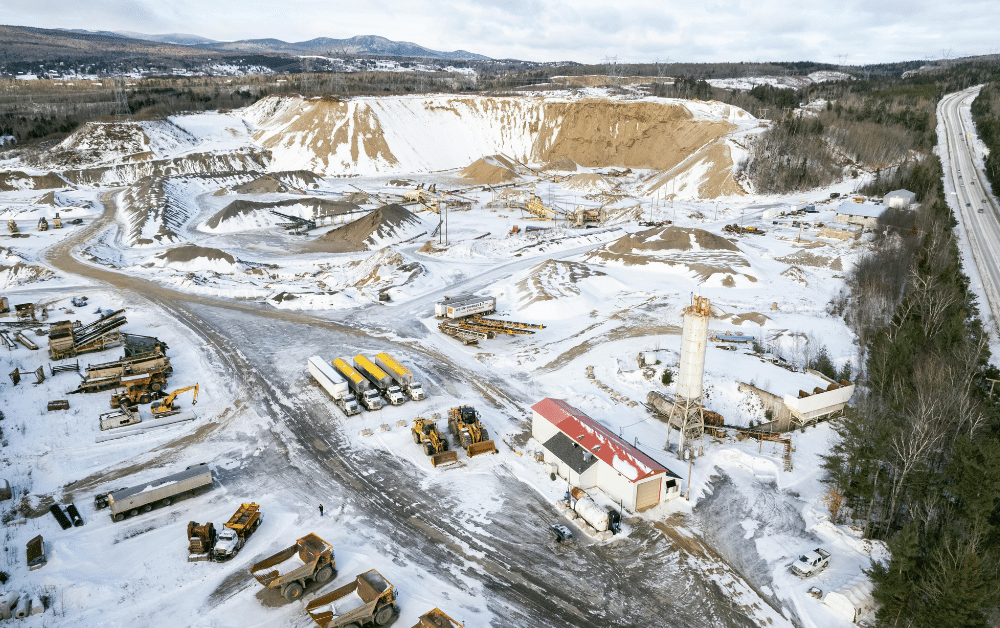
Winter conditions introduce unique challenges that can significantly influence how smoothly a residential construction project progresses, which is why homeowners and contractors must prepare for seasonal obstacles from the very beginning. W&B Prime understands how cold temperatures, unpredictable snowfall, and shifting work conditions can alter construction schedules, making expert planning essential. Winter work requires more than just endurance; it demands strategic coordination and clear communication among all project teams. Contractors need to anticipate delays while ensuring the quality of craftsmanship remains high despite harsh conditions. With the proper guidance and a proactive mindset, winter construction can stay efficient and organized. For homeowners, recognizing how contractors navigate these challenges can make the entire renovation journey much less stressful.
How Winter Weather Slows Down Outdoor Construction Tasks
Understanding Weather-Related Slowdowns
Outdoor construction tasks are often the first to be impacted when temperatures fall below freezing, and the weather becomes unpredictable. Snow, ice, and frozen ground can halt progress on essential phases such as concrete pouring, framing, roofing, or foundation work. Cold weather also affects how materials perform, requiring contractors to use heated enclosures, insulated blankets, or specialized mixes to keep production moving. These precautions help maintain quality but may slightly extend the timeline. By anticipating seasonal slowdowns, residential construction teams can sequence tasks more effectively. Adjusting expectations early ensures the project maintains momentum without compromising durability.
Managing Material Limitations
Many building materials behave differently in extreme cold, which can delay progress if precautions are not taken. Lumber can contract, concrete needs extra protection to cure properly, and adhesives may not bond effectively at low temperatures. Contractors use winterized products and controlled environments to ensure material performance meets safety and quality standards. While these measures help minimize interruptions, they require additional time and planning. Understanding this allows homeowners to remain patient, knowing the finished result will be structurally sound. Maintaining flexibility is key to supporting steady advancement during winter projects.
Adjusting Outdoor Workflows
Winter requires contractors to shift their workflow and prioritize interior tasks during especially cold or stormy days. When outdoor work becomes unsafe, builders transition to indoor activities like framing, electrical rough-ins, insulation, or drywall. This pivot allows the crew to stay productive even when the weather restricts exterior progress. While shifting tasks slows the project, it actually prevents stagnation. By constantly adjusting priorities, residential construction teams keep the project on track. Seasonal flexibility allows work to continue without sacrificing quality or safety.
The Importance of Realistic Winter Scheduling
Creating a Flexible Timeline
A winter construction schedule must be structured realistically so the team can anticipate weather-related slowdowns. Contractors add buffer days to account for potential pauses caused by snowstorms, freezing conditions, or job-site hazards. These built-in allowances help reduce stress and keep the timeline practical rather than overly optimistic. Clear communication ensures homeowners understand how the season affects project pacing. Instead of forcing rushed work, contractors focus on strategic progress that maintains quality. Flexibility in planning reassures homeowners and supports steady project advancement despite winter obstacles.
Balancing Indoor and Outdoor Tasks
One of the most effective scheduling techniques during winter is alternating between indoor and outdoor tasks as weather allows. Contractors look ahead at forecasts and plan work phases accordingly to ensure productivity remains high. This structured flexibility means the team can complete essential indoor work whenever outdoor conditions worsen. Homeowners benefit from this rhythm because it keeps the project advancing even during severe weather. The focus is on achieving a cohesive and easy movement from one phase to the next rather than long pauses. This task-balancing approach is a cornerstone of efficient winter residential construction.
Setting Clear Expectations With Homeowners
Transparent communication early in the project helps prevent misunderstandings about winter delays. Contractors explain how the weather may affect progress and outline strategies for staying productive. Homeowners who understand this seasonal reality are more confident and less stressed as the project evolves. Setting these expectations supports a collaborative partnership throughout the renovation. It also ensures that any delays feel manageable rather than surprising. Open dialogue helps keep everyone aligned about goals and timelines.
Coordination Among Contractors Becomes More Important in Winter
Enhancing Trade Scheduling
Winter construction requires heightened coordination among different trades such as electricians, plumbers, framers, and inspectors. Because the weather can disrupt outdoor tasks, each trade must be scheduled with precision to avoid bottlenecks. Contractors rely on daily communication, digital planning tools, and flexible timing to keep every phase aligned. This level of organization ensures that material deliveries and labor are always utilized efficiently. The tight coordination minimizes downtime and keeps transitions smooth. Effective trade management is essential for maintaining steady progress in residential construction during cold months.
Ensuring Material and Equipment Availability
Cold weather can complicate delivery schedules, material storage, and equipment usage, which is why contractors double down on planning. Some materials may need temperature-controlled environments, while others may require specific handling procedures. Contractors carefully coordinate suppliers to ensure everything arrives at the correct time and can be installed appropriately. This helps prevent costly delays associated with missing or unusable materials. Staying ahead of supply challenges is one of the most critical aspects of winter construction planning. It helps maintain momentum despite seasonal obstacles.
Keeping Workers Aligned Under Changing Conditions
Winter conditions can change quickly, so construction teams must be ready to adapt to fluctuating schedules. Daily briefings help ensure that everyone understands safety requirements, weather impacts, and shifting priorities. This level of communication reduces confusion and keeps the entire crew unified. When workers understand the plan clearly, they can maintain efficiency even with reduced daylight hours or unexpected storms. This adaptability is a significant factor in keeping the project progressing smoothly. Strong teamwork makes residential construction more resilient in challenging weather.
The Role of Weather Monitoring in Construction Planning
Using Forecasts Strategically
Contractors monitor weather forecasts closely to plan work during favorable temperature windows. Accurate forecasting helps determine when concrete can set, when roofing can proceed safely, and when materials should be protected. By staying informed about upcoming storms or temperature dips, builders can reassign tasks early rather than react at the last minute. This strategic approach prevents wasted time and maximizes productivity during winter. It also helps keep the project timeline predictable despite seasonal challenges. Forecast-driven planning is one of the most potent tools in winter residential construction.
Adapting to Sudden Weather Changes
Even with careful planning, winter can introduce sudden shifts that require immediate adjustments. Contractors are trained to pivot efficiently, moving from outdoor tasks to interior work as conditions demand. This quick response helps prevent safety risks while maintaining steady progress. Flexibility in scheduling helps keep the project on track when unexpected snow or ice arrives. Homeowners benefit from this responsiveness because it minimizes lengthy interruptions. The ability to adapt quickly is essential during winter construction.
Protecting Materials and Job-Site Conditions
Cold temperatures affect materials like paint, adhesives, concrete, and certain types of wood, making protection a significant part of winter planning. Contractors use insulated coverings, heated spaces, and job-site enclosures to ensure everything performs correctly. Weather monitoring helps determine when to apply these protective measures for maximum efficiency. Proper handling ensures that materials remain durable and that the installation meets quality standards. This level of care helps prevent costly rework and maintains structural integrity. Effective protection strategies are fundamental to successful winter residential construction.
Why Flexible Planning Keeps Winter Construction on Track
Shifting Tasks to Maintain Productivity
Flexibility is crucial during winter construction because outdoor conditions may change rapidly. Contractors often create backup task lists so the crew can stay productive even when the weather interrupts certain phases. Shifting to interior work, such as drywall, insulation, or finish carpentry, allows progress to continue smoothly. This dynamic approach keeps downtime to a minimum and supports consistent advancement. It also ensures that every workday contributes to the project’s overall success. Flexibility is what keeps winter projects moving at a steady pace.
Maintaining Safety During Cold Weather
Safety becomes even more critical in winter, as icy surfaces, low temperatures, and reduced daylight can create hazardous conditions. Contractors adjust work methods, use proper safety gear, and reduce risks through careful planning. Flexible scheduling allows teams to avoid working outdoors during dangerous moments. Prioritizing safety helps reduce accidents and protects workers while maintaining project momentum. This attention to risk management benefits homeowners and crews alike. Safe practices lead to more reliable progress in residential construction.
Ensuring Quality Despite Seasonal Challenges
Even during winter, craftsmanship should never be compromised for speed. Flexible planning ensures contractors maintain quality standards while working around weather constraints. Allowing additional drying time, adjusting installation temperatures, and protecting materials help uphold long-term durability. This careful approach prevents future issues caused by rushing through cold conditions. Quality remains the top priority, no matter how challenging the season becomes. Homeowners can feel confident knowing that their project will be built to last.
Conclusion
Winter weather may present unique challenges, but with planning, coordination, and adaptability, residential construction projects can remain on track and maintain exceptional quality. W&B Prime brings the expertise needed to navigate cold-weather limitations while ensuring consistent progress and strong results. By understanding how contractors manage scheduling, materials, communication, and weather-related obstacles, homeowners can feel more confident throughout the winter renovation process. With the right approach, a cold season need not halt your construction goals. Winter-friendly strategies keep projects efficient, safe, and successful from start to finish.
Contact W&B Prime today to begin your winter-ready residential construction project with expert guidance and dependable craftsmanship.