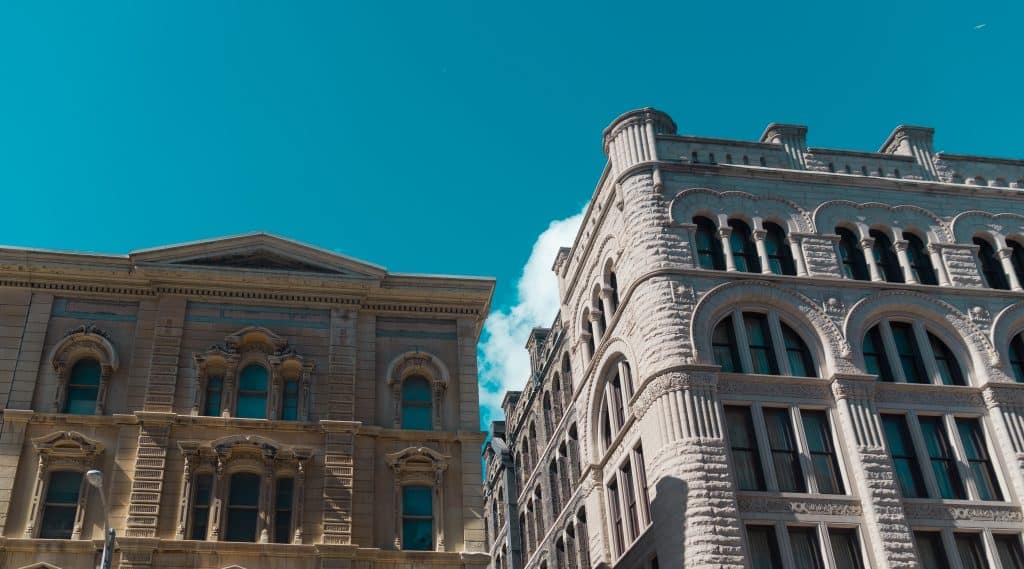
Historical buildings do not have to remain frozen in the past to preserve their value. Many can accommodate modern technology, improved accessibility, efficient building systems, and practical commercial layouts without sacrificing their defining architectural features. The key is knowing which elements to preserve, which systems to update, and how to bring everything together. In this blog we will explain how historical buildings can be prepared for modern business use while respecting their original character.
What Should Be Evaluated Before Renovating Historical Buildings?
Before renovation work begins, the property needs a thorough evaluation. Historical buildings may contain aging materials, hidden damage, outdated systems, or previous repairs that affect the project’s scope. An early assessment helps the construction team identify priorities, develop a realistic plan, and reduce the risk of costly surprises after work begins.
Important areas to evaluate include:
- Structural condition: Inspect the foundation, framing, roof, floors, and load-bearing walls for deterioration or instability.
- Water and moisture damage: Look for roof leaks, basement flooding, damaged masonry, mold, and drainage problems.
- Electrical and plumbing systems: Determine whether aging wiring, panels, pipes, and fixtures can safely support modern business operations.
- Heating and cooling: Evaluate the existing HVAC system and whether the building can accommodate efficient replacement equipment.
- Historical features: Identify original windows, flooring, woodwork, masonry, and other details that should be restored or preserved.
- Accessibility: Review entrances, doorways, stairs, restrooms, elevators, and parking areas for potential improvements.
- Business needs: Consider the company’s required layout, technology, storage, customer traffic, equipment, and plans for future growth.
Understanding both the building’s condition and the business’s goals creates a stronger foundation for the renovation. It also allows the project team to modernize the property without overlooking the features that give it historical significance.
Bringing Historical Buildings Up to Modern Standards
Historical buildings were constructed according to the standards and expectations of a different time. Before one can support a modern business, it may need updates related to fire safety, accessibility, emergency exits, lighting, and other building code requirements. These improvements help protect employees, customers, and the property itself.
Accessibility is another important part of the renovation. Depending on the building and its intended use, updates may include accessible entrances, ramps, elevators, wider doorways, improved parking, or renovated restrooms. Because historical buildings often have narrow halls, raised entrances, and limited space, these features must be incorporated carefully.
Permits, local building codes, and any applicable preservation requirements should be reviewed early in the planning process. Addressing these details before construction begins can help prevent delays and allow modern safety features to blend naturally with the building’s original design.
Which Building Systems May Need to Be Updated?
Many historical buildings contain systems that were not designed to support today’s technology, equipment, or comfort expectations. Updating these systems can make the property safer, more efficient, and better suited to daily business operations.
Electrical Systems and Technology
Older electrical panels and wiring may be unable to handle computers, appliances, specialized equipment, or modern lighting. Renovations may include new wiring, additional outlets, upgraded panels, and dedicated circuits. Businesses may also need reliable internet connections, security cameras, access controls, and other technology. When possible, contractors can conceal wiring and equipment to avoid distracting from the building’s original details.
Heating and Cooling
An outdated HVAC system can lead to uneven temperatures, high energy use, and uncomfortable working conditions. Modern heating and cooling equipment can improve comfort and efficiency, but installation may require careful planning. Ductwork, vents, and mechanical equipment should be placed in ways that minimize changes to original walls, ceilings, windows, and woodwork.
Plumbing and Restrooms
Aging pipes and fixtures can create leaks, poor water pressure, and maintenance concerns. Plumbing updates may include replacing deteriorated pipes, installing efficient fixtures, and renovating restrooms for improved accessibility. These changes allow historical buildings to meet modern demands while reducing the risk of future plumbing problems.
Creating a Layout That Works for a Modern Business
The original layout of a historical building may not match the way a modern company operates. Small rooms, narrow hallways, limited storage, and separated work areas can make communication and customer movement difficult. A thoughtful renovation can improve the flow of the space while preserving the features that give the property its identity.
Depending on the business, the new layout may need private offices, conference rooms, reception areas, retail space, employee break rooms, storage, or customer service areas. Rather than removing every interior wall, the design team can determine which areas should remain intact and where carefully planned modifications would make the greatest difference.
Lighting, acoustics, and movement through the building should also be considered. Updated fixtures can supplement natural light, while sound-control materials can make offices and meeting rooms more comfortable. Clear pathways help employees and visitors move through the property easily. By balancing these practical needs with existing woodwork, flooring, masonry, and other architectural details, historical buildings can become functional workplaces without losing their distinctive character.
How Can Modern Improvements Preserve Historic Character?
Modernizing a building does not mean removing everything that makes it unique. The most successful renovations identify the property’s defining features and incorporate them into the updated design. This approach allows historical buildings to serve new purposes while continuing to reflect their original craftsmanship and architectural style.
Several strategies can help preserve historic character during a commercial renovation:
- Repair original materials when possible: Woodwork, masonry, flooring, windows, and doors may be restored instead of replaced.
- Match replacement materials carefully: When an original feature cannot be saved, new materials should complement its color, texture, scale, and design.
- Conceal modern infrastructure: Wiring, plumbing, ductwork, and technology can often be placed where they will have less visual impact.
- Reuse architectural features: Original doors, trim, fixtures, and other materials may be repurposed elsewhere in the building.
- Design compatible additions: New entrances, expansions, and exterior features should complement the original structure without copying it unnecessarily.
- Preserve the exterior appearance: Masonry, windows, rooflines, and decorative elements can help maintain the building’s recognizable identity.
Working with a construction team experienced in historical renovation can make these decisions easier. The right team can balance preservation with safety, accessibility, efficiency, and the practical needs of the business.
Give a Historic Property a New Purpose
Historical buildings can become safe, comfortable, and practical spaces for modern businesses when renovations are planned carefully. Updated building systems, improved accessibility, efficient layouts, and modern technology can support daily operations while thoughtful preservation protects the character that makes the property distinctive.
W&B Prime has experience renovating historical buildings for commercial use while maintaining their original architectural appeal. If you are considering updating an older property, contact W&B Prime Construction Services to discuss how your building can be prepared for its next chapter.