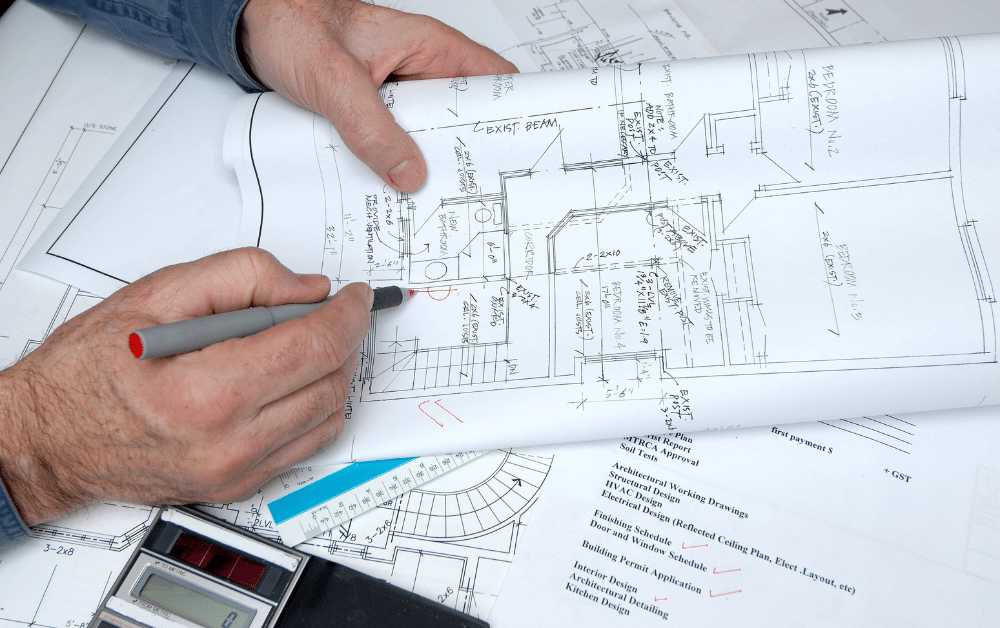
A construction project estimate should give you a clear understanding of what the project may involve before work begins. Whether you are planning a commercial building, renovation, addition, or site preparation project, the estimate helps outline expected costs, materials, labor, scope, and scheduling details.
A detailed estimate also helps reduce confusion during the planning process. Instead of relying on a general number, you can review what is included, what may change, and what questions need to be answered before construction starts. This gives you a stronger foundation for budgeting, comparing options, and moving forward with confidence.
Why Does a Detailed Estimate Matter?
A detailed estimate helps you understand what your construction project may require before work begins. It gives you a clearer picture of the expected costs, scope, materials, labor, and timeline so you can make informed decisions during the planning stage.
Without enough detail, an estimate can leave too much room for confusion. A vague number may not explain what is included, what is excluded, or what could affect the final cost. This can make it harder to compare contractors, plan your budget, or understand where your money is going.
A strong estimate also helps set expectations between the property owner and contractor. When both sides understand the scope of work, project priorities, and potential cost factors, the construction process can move forward with better communication and fewer surprises.
What Project Scope Should Be Included?
The project scope explains what work the contractor expects to complete. This part of the estimate should clearly describe the type of project, the areas involved, and the major phases of construction so you understand what the price is based on.
A construction project scope may include:
- Demolition or removal work
- Site preparation
- Framing and structural work
- Concrete, roofing, or exterior work
- Utility work
- Interior finishes
- Accessibility updates
- Parking, entrances, or customer areas
- Cleanup and final project details
The estimate should also explain what is not included. Exclusions matter because they help prevent confusion later. If permits, design work, utility upgrades, finish selections, or site conditions are not included in the estimate, you should know that before approving the project.
What Cost Categories Should Be Listed?
A construction project estimate should break down the major cost categories so you can understand where the budget is going. While every project is different, the estimate should give you more than one general number. A clear cost breakdown helps you compare options, ask better questions, and identify which parts of the project may affect the final price.
Common cost categories may include:
- Labor
- Materials
- Equipment
- Subcontractors
- Permits
- Site work
- Utility work
- Demolition or removal
- Cleanup
- Contingencies or allowances
These categories help show how the contractor arrived at the estimate. For example, a project that requires significant site work, utility upgrades, or specialty subcontractors may cost more than a project with a simpler scope. When the cost categories are clearly listed, you can better understand what the estimate covers and what may need additional review before work begins.
How Should Materials and Finishes Be Addressed?
Materials and finishes can have a major impact on the final cost of a construction project. Because of that, your estimate should explain which materials are included, whether selections have been finalized, and whether any allowances are being used.
An allowance gives you a budgeted amount for materials that have not been fully selected yet. This may apply to items such as flooring, doors, windows, fixtures, cabinetry, siding, roofing, concrete, steel, or interior finishes. If the final selections cost more than the allowance, the total project cost may change.
The estimate should also clarify whether materials are standard, upgraded, or custom. This helps you understand what level of quality is included in the price and where you may have flexibility to adjust the budget. Reviewing material details early can help prevent surprises once construction begins.
Should Timeline and Scheduling Details Be Included?
A construction project estimate should include general timeline and scheduling details when possible. While dates can change due to permits, weather, material availability, or project changes, a timeline helps you understand how the work may move from planning to completion.
Scheduling details may include the expected start date, major project phases, estimated completion window, material lead times, inspection needs, and any access requirements for the property. For commercial projects, the timeline may also need to account for business hours, customer access, employee safety, and phased construction if the building will remain in use.
Even when the schedule is not final, discussing timing early helps reduce confusion. It gives you a better idea of how the project may affect your property, operations, and planning decisions before construction begins.
What Questions Should You Ask Before Approving an Estimate?
Before approving a construction project estimate, take time to ask questions about the scope, cost, timeline, and responsibilities. A clear conversation before work begins can help prevent confusion once the project is underway.
Helpful questions to ask include:
- What is included in this estimate?
- What is not included?
- Are permits included in the cost?
- Are materials finalized, or are allowances being used?
- What could change the final cost?
- How are change orders handled?
- Who will manage communication during the project?
- What timeline should I expect?
- Are there any site conditions that could affect the project?
Asking these questions helps you better understand what you are approving. It also gives your contractor a chance to explain potential cost changes, scheduling concerns, or project details that may need attention before construction begins.
Get a Clear Estimate Before Construction Begins
A construction project estimate should help you understand the scope, costs, materials, timeline, and responsibilities involved before work begins. The more detailed the estimate is, the easier it becomes to plan your budget, compare options, and ask the right questions.
If you are planning a commercial construction project, renovation, addition, steel building, or site preparation work, W&B Prime Construction can help you review your goals and create a clear estimate for your next project. Contact us today to start planning with confidence.