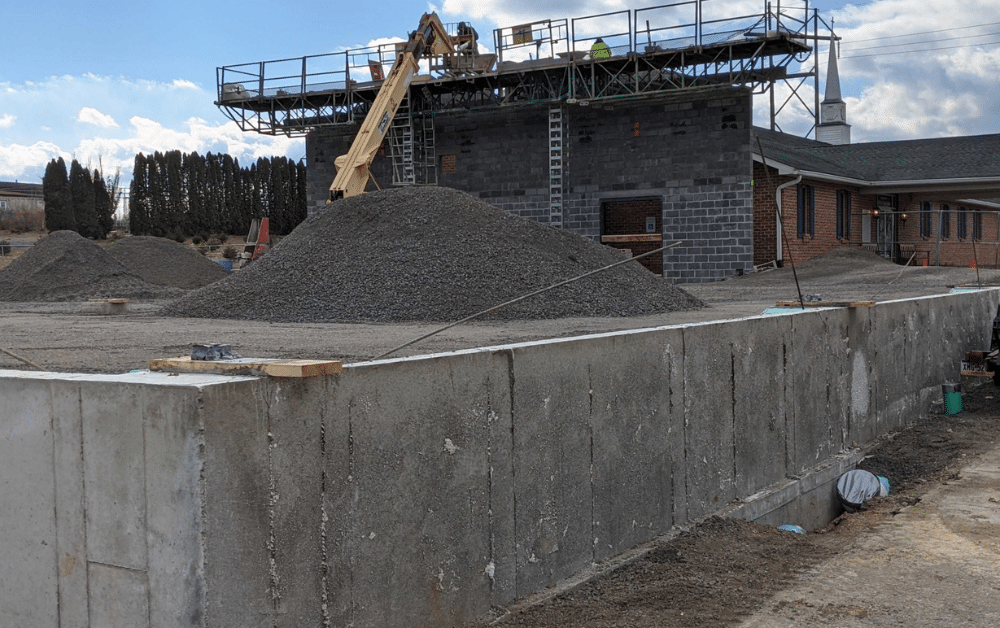
Planning a business expansion is an exciting step, but it also comes with a lot of moving parts. Whether you need more space for operations, additional room for staff, or a better layout for customers, expanding your business requires careful planning from the very beginning. Without a clear plan, it is easy to run into delays, unexpected costs, or disruptions that impact your day-to-day operations.
From budgeting and site evaluation to design and construction, every phase of a business expansion plays a role in the final outcome. Taking the time to understand the process can help you avoid common mistakes and set your project up for long-term success. In this blog, we will walk through how to plan a business expansion project from start to finish so you can move forward with confidence.
Start with Clear Business Expansion Goals
Before any planning, design, or construction begins, you need to clearly define what your business expansion is meant to accomplish. This step sets the direction for the entire project and helps prevent costly changes later on.
Key questions to answer before you begin:
- Why is this business expansion necessary right now?
- What specific problems are you trying to solve?
- Are you planning for immediate needs or long-term growth?
- How much additional space or functionality do you actually need?
Taking the time to answer these questions helps you avoid overbuilding, underestimating your needs, or investing in the wrong type of expansion altogether. For example, a business focused on increasing production may need a completely different layout than one prioritizing customer experience or office space.
Once your goals are clear, you can determine the right approach for your business expansion, whether that means adding onto your current building, renovating existing space, or starting fresh with a new structure. Every decision that follows becomes easier when your objectives are well defined.
Can Your Current Property Support a Business Expansion?
Before moving too far into planning, it is important to evaluate whether your existing property can realistically support a business expansion. While expanding your current location can be convenient, it is not always the best or most cost-effective option.
When Expanding Your Current Location Makes Sense
- You have available land or space to build on
- Your current location still serves your customers well
- Existing utilities and infrastructure can handle the added demand
When It Might Not Be the Right Fit
- Limited space due to property boundaries
- Zoning restrictions or permit limitations
- Parking, traffic flow, or accessibility concerns
- Structural limitations within the existing building
Even if your property seems like a good candidate, factors like drainage, grading, and utility capacity can impact what is possible. This is where working with an experienced contractor early in the process becomes valuable. A professional evaluation can help you determine whether expanding your current space makes sense or if relocating or rebuilding would be a better long-term solution.
Understanding the Costs of Business Expansion
One of the most important parts of planning a business expansion is understanding the full scope of costs involved. Every project is different, and expenses can vary based on the size of the expansion, the condition of the site, and the type of construction required.
Costs typically go beyond just materials and labor. Site work and land preparation often play a major role, especially if grading, drainage, or foundation work is needed. You also need to account for architectural design and engineering, along with permits and inspections required to move the project forward. In many cases, utility upgrades and infrastructure improvements are necessary to support the expanded space, which can significantly impact the overall budget. On top of that, the project timeline itself can influence costs, particularly if delays or changes arise during construction.
These expenses can add up quickly, especially when certain elements are overlooked early in the planning process. Site preparation and utility upgrades, in particular, are often underestimated but can have a major impact on your total investment if they are not properly planned for from the start.
Budgeting Tips to Avoid Surprises
- Build in a contingency budget of at least 10 to 20 percent
- Account for potential delays or material cost increases
- Do not overlook site work, which can vary based on your property
- Work with a contractor early to get realistic cost estimates
A well-planned budget not only helps you stay on track financially but also gives you the flexibility to handle unexpected challenges without putting your business expansion at risk.
Designing a Business Expansion That Actually Works
Once your budget is established, the next step is designing a space that supports how your business operates both now and in the future. A successful business expansion is not just about adding square footage. It is about creating a layout that improves efficiency, supports your team, and enhances the experience for your customers.
A well thought out design starts with understanding how your space is currently used and where improvements can be made. For some businesses, that may mean improving workflow between departments. For others, it may involve creating a more accessible and welcoming environment for customers. The goal is to make sure every part of the expansion serves a purpose and contributes to overall productivity.
What a strong expansion design should consider:
- Employee workflow and day-to-day operations
- Customer experience and accessibility
- Storage and operational efficiency
- Safety and compliance requirements
- Flexibility for future growth
Working with a design-build team can make a significant difference during this stage. Instead of managing separate designers and contractors, a design-build approach keeps everything aligned from the start. This helps reduce miscommunication, avoids costly redesigns, and keeps your business expansion moving forward more efficiently.
By focusing on functionality and long-term value, your business expansion can do more than just add space. It can improve how your entire operation runs.
How to Keep Your Business Running During Construction
One of the biggest concerns during a business expansion is how construction will impact your day-to-day operations. Downtime can mean lost revenue, frustrated customers, and added stress for your team. That is why planning ahead is critical to keeping your business running as smoothly as possible during the build.
Strategies to Minimize Disruption
- Schedule work during off-hours when possible
- Use phased construction to keep parts of your space operational
- Create temporary entrances, workspaces, or customer areas
- Clearly separate construction zones for safety
Communication plays a major role throughout this phase. Keeping your team informed and working closely with your contractor helps ensure everyone stays aligned as the project progresses. Adjustments may be needed along the way, but having a plan in place makes those changes easier to manage. A well-coordinated construction plan can significantly reduce downtime and help your business expansion move forward without disrupting your operations more than necessary.
Conclusion
Planning a business expansion requires more than just additional space. It takes clear goals, a well thought out budget, and a design that supports how your business operates both now and in the future. Each step in the process plays a role in reducing risk, avoiding costly mistakes, and creating a space that truly adds value to your operations.
If you are ready to move forward with a business expansion, W&B Prime Construction Services can guide you from initial planning through final construction. Our team is focused on helping you build a space that works for your business and supports long term growth.