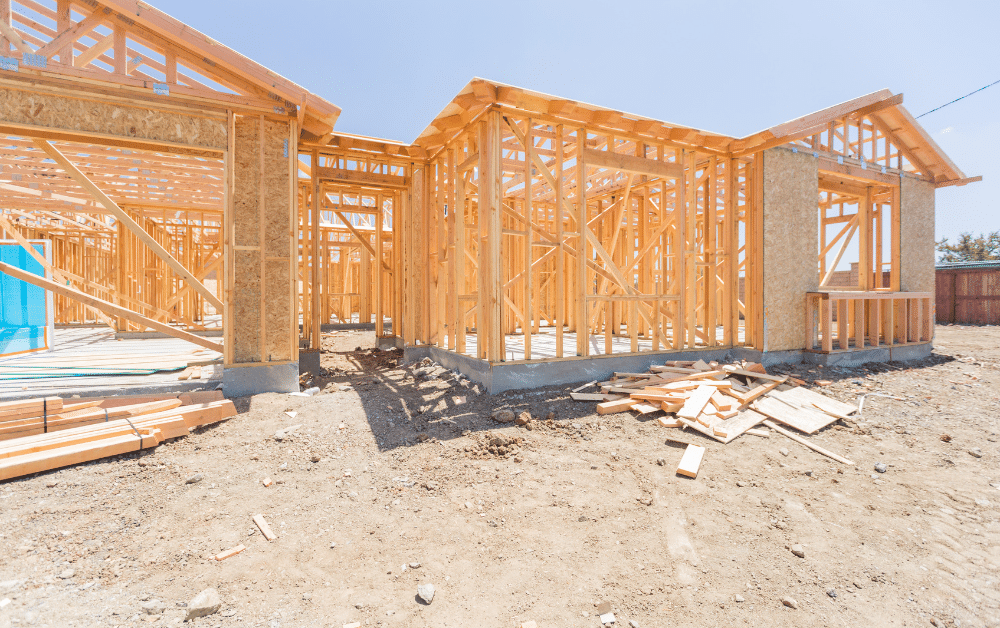
Summer is often viewed as the ideal season for construction. The days are longer, the weather is warmer, and property owners are usually ready to get projects moving. However, summer weather can also create challenges that affect the construction schedule in ways many people do not expect.
Heat, humidity, storms, wet ground, material delays, and subcontractor availability can all influence how quickly a project moves from one phase to the next. While some delays are unavoidable, careful planning can help reduce surprises and keep the project on track as much as possible. Whether you are planning a custom home, renovation, addition, commercial build, or steel building, understanding how summer weather affects the schedule can help you start the process with realistic expectations.
Summer Can Be Productive, But It Still Requires Careful Planning
Summer can be a strong season for construction because crews often have more daylight to work with. Longer days can help certain phases move forward, especially when exterior work, site preparation, framing, roofing, or concrete work are part of the project. For many property owners, that makes summer feel like the best time to build.
However, a construction schedule depends on more than the season. Each phase of the project has to happen in the right order. Site conditions, material deliveries, inspections, subcontractor availability, and weather can all affect when work can begin or continue. If one phase is delayed, the next phase may also need to shift.
That is why careful planning matters before the project starts. A realistic construction schedule should account for productive workdays, but it should also leave room for possible interruptions. When the schedule is built with flexibility, it is easier to adjust without losing sight of the overall project goals.
Extreme Heat Can Slow Down Certain Phases of the Project
High temperatures can affect how a construction project moves forward. While summer heat may not stop work completely, it can change how crews schedule certain tasks throughout the day. For example, some exterior work may be better suited for the morning before temperatures reach their highest point.
Heat can also affect job site safety. Crews may need additional breaks, access to water, or adjusted work schedules during extreme conditions. These precautions are important because rushing through unsafe weather can create bigger problems for both the crew and the project.
Certain materials can also be affected by high temperatures. Depending on the project, heat may impact:
- Concrete
- Paint
- Sealants
- Adhesives
- Roofing materials
- Exterior finishes
When materials are installed outside of ideal conditions, the quality of the finished work can suffer. A good construction schedule should account for these conditions so each phase is completed properly, not just quickly.
Summer Storms Can Create Unexpected Delays
Summer storms can be unpredictable, especially when heavy rain, wind, or lightning moves in quickly. Even if the forecast looks clear at the start of the day, a sudden storm can force crews to pause work, secure materials, or wait until conditions are safe again.
Rain can also affect the job site after the storm has passed. Wet ground may make it difficult for equipment to move safely. Mud, standing water, or soft soil can delay excavation, grading, concrete work, and other early phases of construction. If the site needs time to dry out, the construction schedule may need to shift.
Storm delays can also have a ripple effect. One delayed phase can push back the next step in the project, such as inspections, framing, roofing, or subcontractor work. That is why summer schedules need some flexibility built in. A short weather delay may not seem major at first, but it can still affect the overall project timeline.
Humidity and Moisture Can Affect Drying, Curing, and Site Conditions
Humidity can also affect the construction schedule, even when there is no major storm. When the air holds more moisture, certain materials may take longer to dry, cure, or set properly. This can impact phases like drywall finishing, painting, concrete work, flooring, and exterior finishes.
Moisture can also affect the condition of the job site. If the ground stays wet after rain, crews may have to wait before moving heavy equipment or starting the next phase of work. Soft soil, mud, and standing water can make the site harder to access and may create safety concerns.
These delays can be frustrating, but they are often necessary. Moving forward before materials are ready or before the site is stable can lead to bigger problems later. A well-planned construction schedule gives each phase enough time to be completed correctly, especially when summer humidity and moisture are part of the project conditions.
Busy Summer Demand Can Affect Material and Subcontractor Timing
Summer is one of the busiest seasons for construction. Many homeowners and business owners want projects completed during warmer months, which can create tighter schedules for contractors, suppliers, inspectors, and subcontractors.
This demand can affect the construction schedule in several ways, including:
- Longer material lead times
- Delayed deliveries
- Limited subcontractor availability
- Inspection scheduling conflicts
- Weather delays on other projects
- Increased demand for specialty materials or custom finishes
These delays are not always caused by one specific issue. Sometimes, a storm delay on one project can affect when a subcontractor is available for the next one. A delayed material shipment can also push back the phase that depends on that delivery.
This is why early planning is so important. When materials are selected, ordered, and scheduled ahead of time, it gives the project a better chance of staying on track during a busy summer building season.
A Realistic Construction Schedule Helps Reduce Stress
A construction schedule should give the project structure, but it should also leave room for real-world conditions. Summer weather can change quickly, and even a well-planned project may need adjustments along the way.
That does not mean the schedule is failing. It means the contractor is responding to site conditions, safety concerns, material needs, and quality standards. When property owners understand that some flexibility is normal, it can make the construction process feel less stressful.
A realistic construction schedule should include:
- Clear project phases
- Reasonable start and completion expectations
- Weather flexibility
- Material ordering timelines
- Inspection coordination
- Subcontractor scheduling
- Regular communication with the contractor
Good communication is especially important when weather affects the timeline. If a delay happens, property owners should know what caused it, what phase is affected, and how the team plans to move forward.
Working With an Experienced Contractor Makes a Difference
An experienced contractor understands that a construction schedule is more than a list of dates. It is a plan that has to account for weather, materials, inspections, subcontractors, safety, and the quality of each phase. When summer weather creates a challenge, the right team knows how to adjust without rushing important work.
This can include shifting tasks when possible, protecting materials before storms, adjusting work hours during extreme heat, or coordinating with subcontractors when one phase needs to move. These decisions help keep the project moving while still protecting the final result.
For custom homes, renovations, additions, commercial projects, and steel buildings, that kind of planning matters. W&B Prime Construction helps property owners move through the building process with realistic expectations, clear communication, and a schedule designed around the full scope of the project.
Plan Your Summer Project With the Right Expectations
Summer can be a productive time to build, but it can also bring heat, humidity, storms, and scheduling challenges that affect the construction schedule. While not every delay can be avoided, a thoughtful plan can make those delays easier to manage.
If you are planning a custom home, renovation, addition, commercial build, or steel building, W&B Prime Construction can help you prepare with realistic expectations from the start. Contact our team today to discuss your project and begin planning a construction schedule that works for your goals.