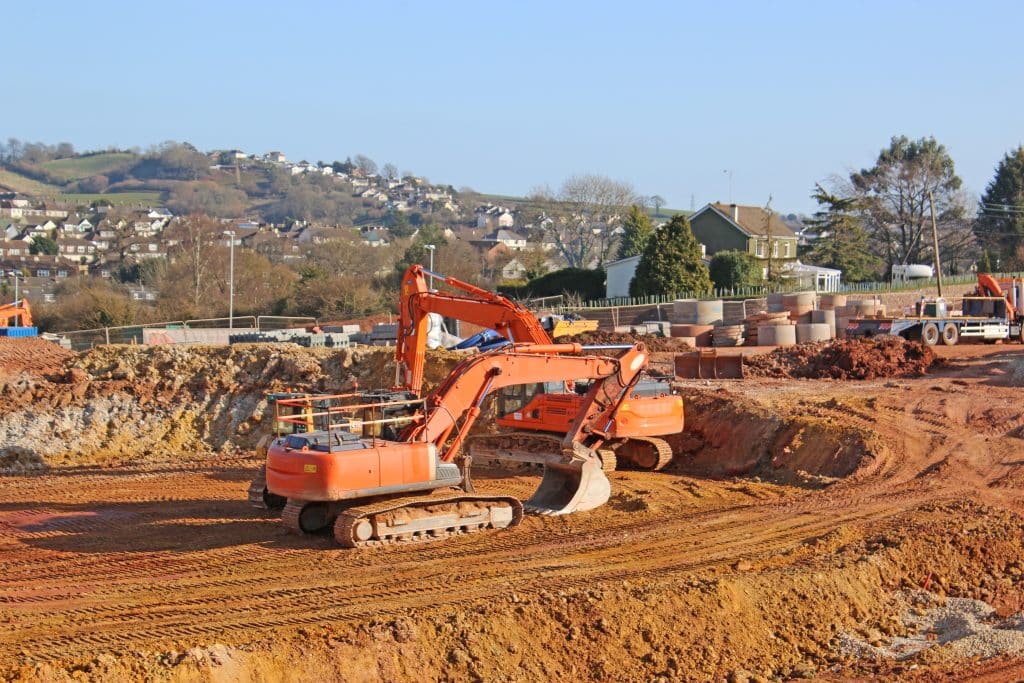
A successful construction project starts long before the first walls go up. The condition of the land, the layout of the property, and the way the site is prepared can all affect how smoothly the project moves forward. That is why site preparation is one of the most important early steps in any construction plan.
Site preparation helps create a safer, more stable, and more efficient area for the work ahead. It can affect drainage, equipment access, foundation readiness, project timelines, and long-term building performance. When this step is handled correctly, the entire construction process has a stronger starting point.
Why Site Preparation Matters Before Construction Begins
Site preparation matters because the land has to be ready to support the project before major construction can begin. Even a well-designed building can run into problems if the ground is unstable, the site is difficult to access, or water does not drain properly. Taking time to prepare the site helps reduce those risks early.
This step also gives our construction team a clearer understanding of the property. They can look at the slope of the land, existing conditions, soil concerns, access points, and possible obstacles. These details help guide decisions before they become expensive problems during construction.
Proper site preparation can help with:
- Clearing space for the building footprint
- Creating safer access for crews and equipment
- Improving drainage around the project area
- Preparing the land for foundation work
- Reducing delays caused by unexpected site conditions
- Helping the finished structure perform as intended
When the site is prepared correctly, the project can move forward with fewer surprises. It gives the builder a better starting point and helps create a smoother process from the first phase of work to the finished structure.
What Happens During Site Preparation?
Site preparation can look different from one project to another, but the goal is always the same. The property needs to be made safe, stable, accessible, and ready for construction. This process helps turn raw or uneven land into a workable jobsite.
Depending on the property and the type of project, site preparation may include:
- Removing trees, brush, rocks, debris, or old structures
- Grading and leveling the land
- Addressing soft, unstable, or uneven soil
- Planning drainage so water moves away from the building area
- Creating access routes for crews, equipment, and deliveries
- Preparing areas for utilities
- Making sure the building footprint is ready for foundation work
These steps help reduce problems once construction begins. If the site is cleared, graded, and planned correctly, crews can work more efficiently. It also helps make sure the next phases of the project are built on a stronger and more organized starting point.
How Poor Site Preparation Can Lead to Costly Delays
Poor site preparation can create problems that slow down the entire construction project. If the land is not cleared, graded, or evaluated correctly, crews may run into issues after the project is already underway. At that point, delays can become more expensive and harder to fix.
For example, unstable soil can affect foundation work. Poor drainage can leave water sitting around the building area. Limited access can make it harder for equipment, materials, and crews to move through the site safely. These problems may seem small at first, but they can quickly affect the schedule and budget.
Common issues caused by poor preparation include:
- Foundation complications
- Standing water or drainage problems
- Erosion around the project area
- Equipment access challenges
- Delayed material deliveries
- Unexpected grading or clearing needs
- Safety concerns for crews on site
A construction project is easier to manage when these issues are addressed early. Proper site preparation helps reduce surprises, protect the timeline, and keep the project moving in the right direction.
The Connection Between Drainage, Grading, and Long-Term Performance
Drainage and grading play a major role in how well a construction project performs over time. Grading shapes the land so water moves in the right direction. Drainage planning helps keep water from collecting around the building, foundation, parking areas, walkways, or other important parts of the property.
When water is not managed correctly, it can create long-term problems. Standing water can affect soil stability, damage finished surfaces, and create muddy or unsafe areas around the site. Over time, poor drainage may also lead to erosion, foundation concerns, or extra maintenance for the property owner.
Proper grading helps the finished project function better after construction is complete. It supports safer access, better water control, and a cleaner, more usable property. By addressing drainage and grading during site preparation, the construction team can help protect both the building process and the long-term performance of the finished structure.
Why Access and Workflow Matter on the Jobsite
Site preparation also affects how efficiently crews can work once construction begins. A jobsite needs enough space for equipment, materials, deliveries, and safe movement. If access is limited or poorly planned, even simple tasks can take longer than expected.
Good access helps keep the project organized. Crews need clear routes for trucks, machinery, and material deliveries. They also need safe areas for staging materials so supplies are available when needed. When the site layout supports the construction process, the work can move forward with fewer disruptions.
Proper jobsite access can help with:
- Equipment movement
- Material deliveries
- Crew parking
- Safe walking and working areas
- Storage for supplies
- Better coordination between trades
- Less disruption around the project area
A well-prepared site gives the construction team room to work. It can improve safety, reduce delays, and help each phase of the project stay better organized.
How Proper Planning Helps Avoid Surprises
Proper planning helps the construction team identify possible problems before they affect the project. Every property has different conditions, and those conditions can influence the building process. Slope, soil, drainage, access, utilities, and existing structures all need to be considered before major work begins.
During site preparation, an experienced contractor can look beyond the building itself. They can evaluate how the land needs to function during construction and after the project is complete. This helps the team plan for equipment access, material staging, water runoff, foundation readiness, and any site challenges that may need to be addressed early.
Planning ahead can also help business owners make better decisions. Instead of reacting to problems during construction, they can understand what the site needs from the start. This can lead to a smoother timeline, fewer disruptions, and a finished project that better supports the property’s long-term use.
Start Your Project with a Site That’s Ready to Build
Site preparation can have a major impact on the success of a construction project. When the land is cleared, graded, accessible, and properly planned, the entire build has a stronger starting point. It helps reduce delays, improve safety, support better drainage, and prepare the property for the foundation and structure.
A successful project depends on more than the building materials or final design. It also depends on how well the site is prepared before construction begins. By working with an experienced team like W&B Prime Construction, property owners can move into their project with more confidence and a clearer plan from the ground up.